
Calm Your Body, Lift Your Energy: 3 Daily Habits to Gently Lower Cortisol
That Don’t Involve Quitting Coffee!! ☕
If you’ve ever felt wired but tired, struggled with stubborn belly fat, or noticed your sleep, cycles, or mood feeling off, your cortisol might be waving a red flag.
Cortisol often gets a bad reputation, but it’s not the enemy. It’s your body’s primary stress hormone and a vital part of your natural daily rhythm. In healthy patterns, cortisol rises in the morning to help you feel alert and gradually tapers off at night so you can rest.
The problem?
In midlife — and in modern life — cortisol often stays elevated for too long.
Chronic stress, poor sleep, blood sugar swings, and constant stimulation can disrupt this rhythm, impacting everything from energy and metabolism to mood and hormone balance.
The good news: you don’t need a total life overhaul to support your stress response.
Small, intentional daily habits can gently bring cortisol back into balance — without quitting coffee, extreme routines, or “doing more.”
Here are three science-backed habits that make a meaningful difference.
1. Front-Load Your Light & Gentle Movement
Why it matters:
Morning sunlight and gentle movement help anchor your circadian rhythm — your body’s internal clock. This signals to your brain that it’s time to be awake, which helps establish a healthier cortisol curve throughout the day.
When cortisol rises appropriately in the morning, it’s more likely to fall naturally at night.
What to do:
Within 30–60 minutes of waking, step outside for 5–10 minutes — even if it’s cloudy. Pair this with light movement like a walk, stretching, or mobility work.
Pro tip:
Leave your phone inside. This low-stimulation window is incredibly calming for your nervous system and sets the tone for the day.
2. Anchor Blood Sugar with Protein-Rich Meals
Why it matters:
Blood sugar crashes trigger cortisol spikes. When your body senses unstable energy, it releases stress hormones to compensate — leaving you feeling anxious, tired, or craving sugar and caffeine.
Starting your day with adequate protein helps stabilize blood sugar, reduce stress on your system, and support more even energy.
What to do:
Aim for 25–35 grams of high-quality protein at breakfast. Examples include:
Eggs with greens and healthy fats
Greek yogurt with seeds and berries
A protein smoothie with fiber and fat
Bonus:
Balanced blood sugar supports mood, metabolism, sleep, and hormone balance — all of which influence cortisol regulation.
3. Downshift with a Nervous System Ritual Before Bed
Why it matters:
Cortisol and melatonin work like a seesaw. If cortisol stays high at night, melatonin — your sleep hormone — struggles to rise, leading to restless sleep and racing thoughts.
A simple wind-down ritual helps signal safety to your nervous system, allowing cortisol to soften.
What to do:
Choose one calming practice to do 30–60 minutes before bed, such as:
A warm shower or bath
Legs-up-the-wall
Five minutes of journaling
Box breathing or slow nasal breathing
Tip:
Dim the lights and reduce screen time if possible. This tells your brain, “It’s okay to let go now. and end my day calmly”.
Final Thoughts:
Lowering cortisol isn’t about doing more — it’s about doing less, on purpose.
When you create consistent, supportive rhythms, your body can finally exhale. And that sense of safety is where real healing, energy, and hormonal balance begin.
If you’re navigating midlife and want a clearer understanding of how stress, blood sugar, and hormones work together, starting with education — not restriction — makes all the difference.
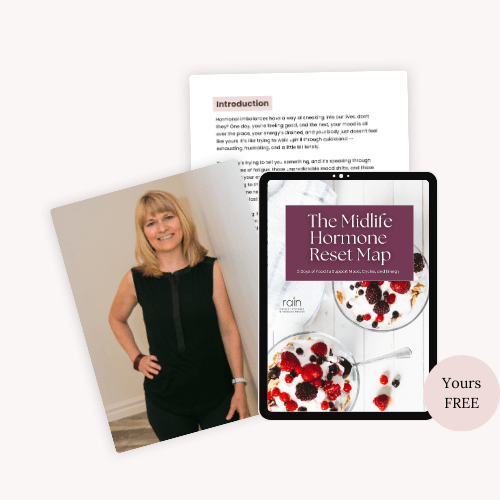
👇 Download The Midlife Hormone Reset Map Below and begin with clarity instead of confusion.
YOU MIGHT ALSO LIKE

L.C.
About Me
I help midlife women balance their hormones through sustainable lifestyle changes so they can improve energy, sleep, mood, metabolism, and long-term health—without extremes or guesswork.


Get Your Midlife Hormone Reset Map freebie here!
The Hormone Reset Meal Map is a practical guide to help you understand what your hormones are asking for in midlife — and where to start.
Free Download
© 2025. All Rights Reserved