
The Complete Guide to Hormone Health in Midlife
If you’ve reached midlife and feel like your body suddenly stopped following the rules, you’re not alone, and I need you to know that you’re not doing anything wrong!
It can seem like suddenly everything changes like:
Our energy feels unpredictable.
Sleep is hard to come at night, or more interrupted.
Weight changes don’t respond the way they used to.
Mood, focus, stress tolerance, and even skin or digestion feel different.
And yet, many women are told this is “just part of aging”, or that they should try harder. 😣
Here’s the truth:
Midlife hormone changes are real, complex, and deeply influenced by each other, and understanding them changes everything.
This short guide will walk you through what’s happening hormonally in midlife, why symptoms show up the way they do, and what truly supports hormone health during this stage of life.

What Happens to Hormones in Midlife?
Midlife is not a single hormonal event — it’s a transition.
During this time, key hormones begin to shift, including:
Estrogen
Progesterone
Testosterone
Insulin
Cortisol
Thyroid hormones
These changes don’t happen overnight, and they don’t happen in isolation. Hormones work as a system — when one shifts, others respond. And this transition can last anywhere from 2-10 years.
This is why symptoms often feel all over the place rather than isolated to one thing being 'off'.
Common Signs Your Hormones Need Support
Hormone imbalance in midlife can look different for every woman, but common signs include:
Low or inconsistent energy
Broken sleep or waking around 2-3 am and being wide awake
Increased anxiety or irritability for no reason
Brain fog or trouble concentrating
Weight gain or weight resistance
Increased cravings or blood sugar crashes
Changes in cycles or cycle symptoms
Feeling “wired but tired”
These symptoms are not personal failures about you, they’re signals to you.
Why “Eat Less, Move More” Stops Working
One of the most frustrating experiences for midlife women is doing everything “right”, but still feeling worse.
That’s because many conventional approaches of telling us to do more:
Increases stress on the body
Disrupts blood sugar
Elevates cortisol
Ignores hormonal feedback loops
In midlife, your body is more sensitive to stress — including under-eating, over-exercising, poor sleep, and constant stimulation.
Hormone health now requires support, not pressure.
The Hormone Foundations That Matter Most
Instead of trying to “fix” individual hormones, the most effective approach is to strengthen the foundations that influence all hormones.
1. Blood Sugar Balance
Unstable blood sugar places stress on insulin and cortisol, which impacts estrogen, progesterone, and energy regulation.
Supporting blood sugar through balanced meals, adequate protein, and consistent eating rhythms is foundational in midlife.
2. Stress & Cortisol Regulation
Chronic stress keeps cortisol elevated, which can worsen fatigue, sleep issues, inflammation, and weight resistance.
Nervous system support — not avoidance of stress — is key.
3. Sleep & Circadian Rhythm
Sleep is when hormones reset. Even small improvements in sleep timing, light exposure, and evening routines can have a big hormonal impact.
4. Nutrition for This Season of Life
Midlife bodies need nourishment, not restriction. Adequate protein, fiber, and supportive fats help stabilize hormones and energy.
5. Movement That Supports Hormones
Movement plays a powerful role in hormone health, but more isn’t always better in midlife. Exercise is a form of stress, it can be a good stress that our body needs, but when intensity outweighs recovery, it can increase cortisol rather than support balance.
Hormone-supportive movement focuses on strength, consistency, and recovery. Strength training, cardio, and mobility exercises help improve insulin sensitivity, preserve muscle and bone, and support mood and metabolism, all without overtaxing the nervous system.
The goal isn’t to push harder, but to move in a way that leaves you feeling more grounded, energized and strong.
Why Symptoms Often Cluster Together
If you’ve wondered why you’re experiencing multiple symptoms at once, this is why:
Hormones are interconnected, they are always talking to one another.
For example:
Blood sugar swings can raise cortisol
Elevated cortisol can disrupt sleep
Poor sleep worsens insulin sensitivity
Insulin resistance impacts estrogen balance
Addressing one area often improves several symptoms at the same time, which is why a systems-based approach works best.
If you're looking for 10 simple, realistic lifestyle shifts designed to help calm symptoms, support your hormones, and bring more steadiness to your day-to-day life, without drastic changes. Then download my FREE Midlife Transition: A Simple Guide to Symptom Relief here.
Where Perimenopause and Menopause Fit In
Midlife hormone changes often include:
Perimenopause: the years leading up to menopause, often marked by fluctuating hormones and unpredictable symptoms
Menopause: defined as 12 months without a cycle
Post-menopause: the remainder of your life, this is your new hormonal baseline requiring long-term support
Each phase has different needs, but they all benefit from strong foundations.
What Actually Helps (And What Usually Doesn’t)
What helps:
Education and understanding
Balanced nutrition
Blood sugar stability
Nervous system regulation
Consistent daily rhythms
Sustainable habits
What usually backfires:
Extreme dieting
Skipping meals
Over-exercising
Pushing through exhaustion
Ignoring stress and sleep
A Calmer Way Forward
Midlife hormone health isn’t about doing everything at once.
It’s about:
Understanding what your body is asking for
Supporting it gently and consistently
Making changes that feel doable...not overwhelming
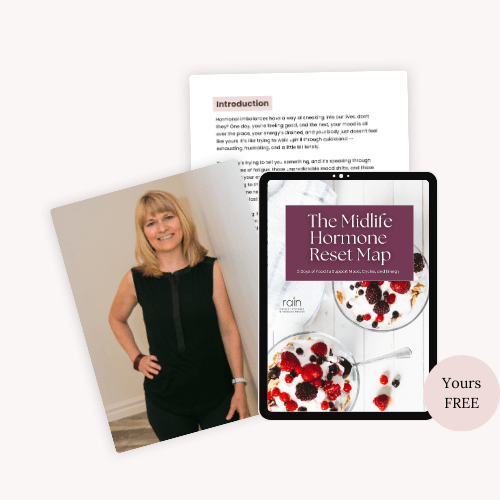
This is why I created The Midlife Hormone Reset Map — to give women a clear starting point that focuses on what matters most, especially blood sugar balance and daily hormone support.
👉 Download The Midlife Hormone Reset Map to begin with clarity and confidence.
Final Thoughts
Midlife is not a breakdown — it’s a recalibration, an adjustment.
When you understand how hormones change and what they need now, your body begins to feel less confusing and more trustworthy again.
You don’t need to fight your body, you just need to listen to it, and support it differently.
You’re not late.
You’re right on time.
YOU MIGHT ALSO LIKE

L.C.
About Me
I help midlife women balance their hormones through sustainable lifestyle changes so they can improve energy, sleep, mood, metabolism, and long-term health—without extremes or guesswork.


Get Your Midlife Hormone Reset Map freebie here!
The Hormone Reset Meal Map is a practical guide to help you understand what your hormones are asking for in midlife — and where to start.
Free Download
© 2025. All Rights Reserved