
Small Lifestyle Tweaks That Make a Big Hormone Difference
When it comes to hormone health—especially during the midlife transition—it’s easy to think you need a complete lifestyle overhaul to feel better.
...You don’t.
In fact, some of the most powerful hormone shifts come from the smallest, most consistent changes. Tiny adjustments, done gently and repeatedly, can calm your nervous system, stabilize blood sugar, and help your body feel safer during a time of hormonal fluctuation.
If you’re navigating perimenopause or menopause and feeling “off,” here are a few simple lifestyle tweaks that can make a surprisingly big difference.
1. Start Your Day With Protein (Even a Little)
Skipping breakfast or starting the day with coffee alone can set your hormones up for a stressful ride.
Protein in the morning:
Supports stable blood sugar
Reduces cortisol spikes
Helps with energy, mood, and cravings later in the day
This doesn’t need to be perfect. Even adding a boiled egg, Greek yogurt, or protein smoothie is a powerful first step.
2. Stop Pushing Through Exhaustion
Midlife is not the time to override your body’s signals.
Hormonal shifts make you more sensitive to:
Poor sleep
Over-exercising
Chronic stress
Rest is not laziness—it’s hormone support. Listening to your energy levels and adjusting accordingly can reduce symptoms like anxiety, irritability, and fatigue.
3. Eat Regularly to Calm Your Nervous System
Long gaps between meals may have worked in your 30s—but during the midlife transition, they can backfire.
Eating regularly:
Signals safety to your body
Helps reduce hot flashes and mood swings
Supports more balanced energy throughout the day
Consistency matters more than perfection.
4. Rethink “Harder” Workouts
More is not always better.
During midlife, your hormones often respond better to:
Strength training
Walking
Gentle movement like yoga or mobility work
Add in some small bursts of HIIT exercises once/week
If long intense workouts leave you wired, exhausted, or inflamed, your body may be asking for a different kind of support.
5. Protect Your Evenings
What you do in the evening directly affects your hormones the next day.
Simple evening tweaks like:
Dimming lights
Limiting screens before bed
Creating a calming bedtime routine
can improve sleep quality, which plays a major role in hormone balance, mood, and resilience.
Why Small Shifts Matter So Much in Midlife
During the midlife transition, estrogen, progesterone, and testosterone are fluctuating—not just disappearing overnight. So as your body is adapting, it needs support, not pressure.
Small lifestyle tweaks:
Reduce overall stress load
Help hormones communicate more clearly
Make symptoms feel calmer and more manageable
This is not about fixing your body—it’s about working with it.
Want a Simple Place to Start?
If you’re feeling overwhelmed by conflicting advice or unsure where to begin, I’ve created a free resource to help.
The Midlife Transition Guide
This free guide walks you through 10 simple, realistic lifestyle shifts designed to help calm symptoms, support your hormones, and bring more steadiness to your day-to-day life—without drastic changes.
👉 Download The Midlife Transition Guide here
You don’t need to do everything at once.
You just need a few supportive shifts—done consistently.
And those small changes?
They can make a very big difference. 😊
YOU MIGHT ALSO LIKE

L.C.
About Me
I help midlife women balance their hormones through sustainable lifestyle changes so they can improve energy, sleep, mood, metabolism, and long-term health—without extremes or guesswork.


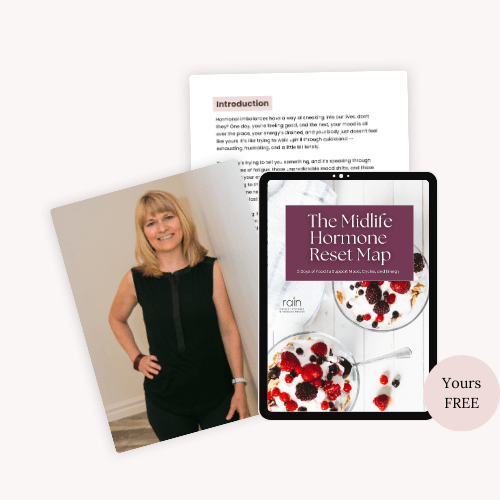
Get Your Midlife Hormone Reset Map freebie here!
The Hormone Reset Meal Map is a practical guide to help you understand what your hormones are asking for in midlife — and where to start.
Free Download
© 2025. All Rights Reserved