
Is This Perimenopause? Early Signs Most Women Miss
For many women, perimenopause doesn’t arrive with a clear announcement.
There’s no sudden shift, no obvious marker, no single moment where you think, “Ah - this must be it.” Instead, it often begins quietly, with small changes that are easy to dismiss or explain away, it must be:
🔸Stress
🔸A busy season of life
🔸Getting older
But for many women in their late 30s and 40s, these subtle changes are actually early signs of perimenopause - the transitional phase leading up to menopause.
And the sooner you recognize it, the more gently and effectively you can support your body.
What Is Perimenopause... Really?
Perimenopause is the phase where your hormones begin to fluctuate, not disappear.
Estrogen and progesterone don’t steadily decline all at once, they rise and fall unpredictably.
This fluctuation is what creates many of the confusing symptoms women experience.
Perimenopause can begin years before menopause, sometimes as early as the late 30s, and often lasts much longer than expected, (anywhere from 2-10 years).
Because their cycles may still be regular, at least at first, many women don’t realize what’s happening.
6 Early Signs of Perimenopause Most Women Miss
1. You Feel “More Sensitive” Than You Used To
This is one of the earliest and most overlooked signs.
You might notice:
Stress feels harder to manage
You get overwhelmed more easily
Small things feel bigger than they used to
This isn’t a lack of resilience, it’s often related to shifting progesterone, which plays a calming role in the nervous system.
2. Sleep Changes (Even When You’re Tired)
You may fall asleep easily but wake up between 2–4 a.m.
Or you sleep, but wake feeling unrefreshed.
Hormonal fluctuations, especially progesterone changes and cortisol sensitivity, can disrupt sleep before hot flashes or night sweats ever appear.
3. Your Energy Is Less Predictable
Instead of consistent fatigue, energy starts to feel inconsistent.
Some days you feel fine.
Other days, even simple tasks feel heavier.
This often reflects changing blood sugar regulation and increased sensitivity to stress, both of which are common in early perimenopause.
4. Your Body Responds Differently to Food or Exercise
What once worked… doesn’t.
You might notice:
You feel shakier or irritable if meals are delayed
Intense workouts leave you exhausted instead of energized
Weight shifts despite no major lifestyle changes
This doesn’t mean you need to try harder.... it often means your body needs different support.
5. Subtle Cycle Changes
Cycles may still come regularly, but with differences:
Shorter cycles
Heavier or lighter flow
More PMS symptoms
Mood changes before your period
These shifts are often brushed off, but they’re important clues.
6. You Don’t Feel Like Yourself — But You Can’t Explain Why
Many women say this is the hardest part.
You’re functioning.
Life looks fine from the outside.
But internally, something feels off.
This sense of disconnection or unfamiliarity is common in early perimenopause, and it deserves to be taken seriously.
Why Early Awareness Matters
When perimenopause is misunderstood or missed, women often respond by:
Restricting food
Exercising harder
Pushing through exhaustion
Blaming themselves
Unfortunately, these approaches can increase stress on the body and worsen symptoms over time.
Early perimenopause is a powerful window for foundational support such as:
Blood sugar balance
Nervous system care
Gentle rhythm and recovery
Nourishment over restriction
Movement for longevity
Small shifts here can make the transition smoother — not harder.
Perimenopause Is Not Menopause (And That Matters)
One of the biggest misconceptions is treating perimenopause like menopause.
They are different seasons.
Perimenopause is defined by fluctuation.
Menopause and post-menopause are defined by steadiness.
Supporting the wrong phase can leave women feeling confused and frustrated, even when they’re doing “all the right things.”
Not Sure If This Is Perimenopause?
You don’t need a diagnosis to begin listening to your body, but clarity helps.
I created a short, gentle quiz to help women understand whether they’re in:
Early hormonal transition
Perimenopause
Post-menopause
It’s designed to offer insight, not labels, and to guide you toward support that fits your season.
👉 Take the free “Which Hormonal Season Are You In?” quiz
OR if you're feeling confused by changes in your body now, and are looking for answers, my Perimenopause Guide is your first step to understanding perimenopause, what’s happening in your body, why it matters, and how to move forward with confidence and care.
A FINAL THOUGHT
If you’re noticing changes but can’t quite name them, trust that awareness.
Your body isn’t failing you.
It’s communicating with you.
Perimenopause doesn’t require fear or force — it requires understanding, compassion, and support that evolves with you.
And that understanding can begin now. Click the link to take the quiz today.
*NOTE: Once I learned what perimenopause was, and what my body needed when it came to nutrition, movement, sleep and stress management, my life changed! My bloating was gone, my skin cleared, and my energy was much better. I am stronger and more aware of who I am now. I want this for you too, if you are interested in my Holistic Perimenopause Pathway Program sign up below for the waitlist and I will let you know when the program becomes open.
YOU MIGHT ALSO LIKE

L.C.
About Me
I help midlife women support their hormones through sustainable lifestyle changes so they can improve energy, sleep, mood, metabolism, and long-term health, all without extremes or guesswork.


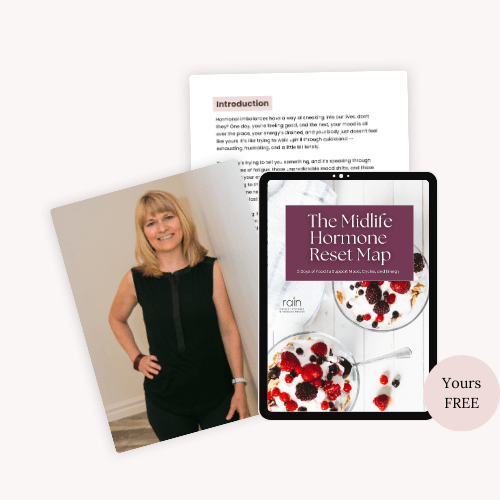
Get Your Midlife Hormone Reset Map freebie here!
The Hormone Reset Meal Map is a practical guide to help you understand what your hormones are asking for in midlife — and where to start.
Free Download
© 2025. All Rights Reserved