
START HERE - Midlife Hormones...What's Going On?
Understanding Perimenopause & Post-Menopause
Midlife Hormone Changes Aren’t Just One Season....They’re in a Transition Over Time
If you’re in midlife and your body feels different...I want you to know that you’re not imagining it.
But here’s what many women are never told:
Perimenopause and post-menopause are NOT the same, and they shouldn’t be supported the same way.
Midlife is a continuum, not a single phase. Our bodies change from season to season throughout our life, and understanding where you are in the transition helps you stop guessing, and it allows you to start supporting your body with clarity.
I want to help you understand:
The difference between perimenopause and post-menopause
Common signs women often miss
What your body needs in each season
Where to go next for support that actually fits
Perimenopause: The Season of Fluctuation
Perimenopause is the transition leading up to menopause. It can last for 2-10 years and during this time hormones don’t decline smoothly, instead they are fluctuating.
Many women experience:
Irregular cycles
Mood or sleep changes
New anxiety or irritability
Increased stress sensitivity
Interrupted sleep
Weight gain...even when you haven't changed anything
Symptoms that come and go unpredictably
This phase often feels confusing because:
“Some days I feel fine… and other days I don’t recognize myself.”
Perimenopause requires flexibility, nervous system support, and blood sugar stability, not rigid plans, extreme diets or workouts.
👉 Read the full article: Is This Perimenopause? Early Signs Most Women Miss
Post-Menopause: The Season of Recalibration
Post-menopause begins after 12 consecutive months without a period.
Hormones settle into a new baseline, and the body shifts from fluctuation to long-term recalibration. This is where we are in it for the long term, and therefore we need to plan for that.
Common experiences include:
More consistent symptoms and the fluctuations slow
Changes in metabolism or body composition
Sleep or inflammation concerns
Bone and muscle loss
A desire to feel strong, steady, and well again
This phase responds best to:
Consistent balanced nourishment
Sustainable movement and strength
Blood sugar and stress regulation
Long-term foundations, not quick fixes
👉 Read the full article: Life After Menopause: What Your Body Needs in Post Menopause
Why Knowing Your Hormonal Season Matters
Many women struggle, not because they’re doing the wrong things, but because they’re using the right tools for the wrong season.
Supporting fluctuating hormones requires a different approach than supporting steady, post-menopausal ones.
When you understand your season:
Food choices make more sense
Movement feels supportive, not depleting
Symptoms feel less alarming
Confidence replaces confusion
Not Sure Which Season You’re In?
If you’re unsure whether you’re in early transition, perimenopause, or post-menopause, I created a gentle quiz to help you identify your current hormonal season.
The Holistic Menopause Method
If you’re post-menopausal and looking for structured, compassionate support, my 8-Week Holistic Menopause Method was created specifically for this season. Sign up for the waitlist to be the first to know when it opens again!
This program focuses on:
Blood sugar balance
Metabolic, muscle and bone health
Stress and sleep support
Sustainable routines that fit real life
It’s not about fixing your body. It’s about supporting it for the long term.
👉 Learn more about the Holistic Menopause Method here
And if you’re in perimenopause, sign up for my 8-Week Holistic Perimenopause Pathway Program waitlist.
YOU MIGHT ALSO LIKE

L.C.
About Me
I help midlife women support their hormones through sustainable lifestyle changes so they can improve energy, sleep, mood, metabolism, and long-term health, all without extremes or guesswork.


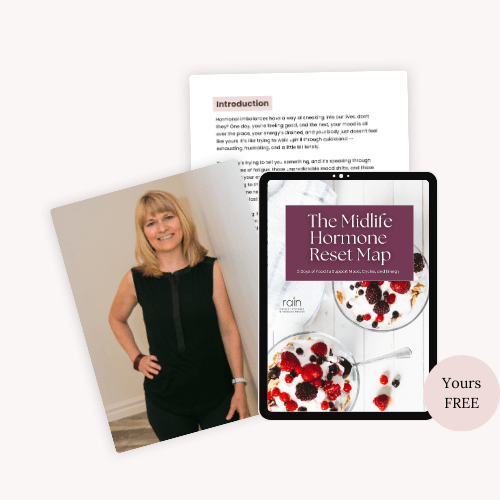
Get Your Midlife Hormone Reset Map freebie here!
The Hormone Reset Meal Map is a practical guide to help you understand what your hormones are asking for in midlife — and where to start.
Free Download
© 2025. All Rights Reserved